
How to Open a Petrol Station in Malaysia (Step-by-Step Guide)
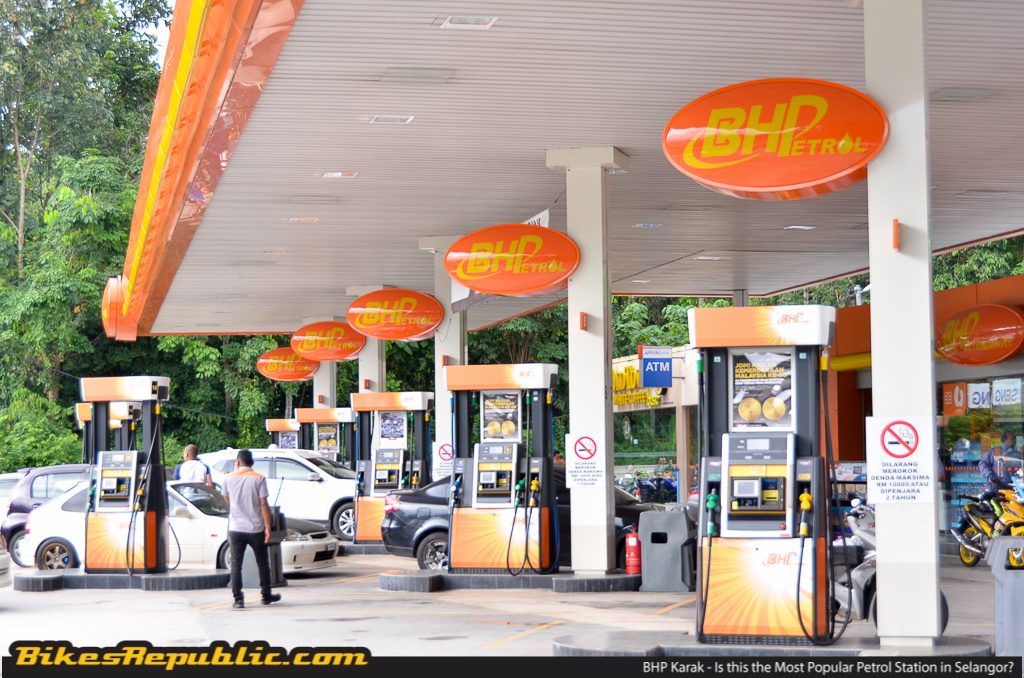
Opening a petrol station in Malaysia is not simply about building pumps and starting operations.
It is a structured development process involving site approval, regulatory compliance, oil company alignment, and petroleum licensing.
Because petrol stations operate under strict safety and supply regulations, every stage must follow the correct sequence.
This guide explains the actual step-by-step process based on industry practice in Malaysia.
Step 1: Identify a Viable Site
The starting point is land.
But not all land is suitable for petrol station development.
A proposed site must be supported by:
- Strong traffic flow
- Surrounding population and activity
- Accessibility and road alignment
- Commercial viability within its catchment
For new station applications, detailed site information and surrounding analysis are required — including nearby developments and existing petrol stations within the area.
Step 2: Align with an Oil Company
In Malaysia, new petrol station site applications are not submitted individually by landowners or investors.
The formal submission to KPDN is typically made by a main or mini oil company.
This means the site must first be aligned with an oil brand such as:
- Petroliam Nasional Berhad
- Shell plc
- Petron Malaysia Refining & Marketing Bhd
- Chevron Malaysia Limited
- Boustead Petroleum Marketing Sdn Bhd
The oil company evaluates whether the site fits their network strategy before proceeding further.
Step 3: Obtain KPDN Site Approval
The next step is applying for Kelulusan Tapak Stesen Minyak Baharu through KPDN.
This is a critical gate.
The application is reviewed by a dedicated committee, and it includes:
- Full site details
- Market and surrounding analysis
- Proposed development plan
- Implementation timeline
The approval is granted with a validity period (typically 6 months to 2 years) to allow the project to move forward.
Step 4: Secure Planning Permission (KM) and Building Plan Approval
Once site approval is obtained, the project moves into development approval stage.
This includes:
- Kebenaran Merancang (KM)
- Building plan approval
These approvals must be obtained within the validity period of the site approval.
Without KM and approved plans, the project cannot proceed to the licensing stage.
Step 5: Fire and Safety Compliance (JBPM)
Petrol stations involve flammable fuel storage, so fire safety is mandatory.
Approval from Jabatan Bomba dan Penyelamat Malaysia (JBPM) is required, including:
- Fire safety design compliance
- Storage capacity approval
- Support letter for licensing
This is a non-negotiable requirement before operation.
Step 6: Local Authority Business Licence
Before operating, the petrol station must obtain a valid business licence from the local authority (PBT).
This confirms that the business complies with local regulations and is permitted to operate within the area.
Step 7: Petroleum Licensing (PDA & CSA)
The final regulatory step is obtaining petroleum licences from KPDN.
This includes:
- Kebenaran under the Petroleum Development Act 1974 (PDA)
- Licence under the Control of Supplies Act 1961 (CSA)
Applications are submitted through the BLESS system and require complete supporting documents, including:
- Site approval
- KM and building plan approval
- JBPM support
- Business licence
- Supplier (oil company) confirmation
Only after these approvals can the petrol station legally operate.
Step 8: Special Case — Highway Petrol Stations

For petrol stations located along highways, additional approval is required from the Lembaga Lebuhraya Malaysia (LLM).
This involves:
- Highway access planning
- Corridor control compliance
- Additional technical requirements
Highway stations are more complex but often have higher traffic potential.
Step 9: Determine Business Structure (CODO / DODO)
Petrol stations in Malaysia can be structured differently depending on the arrangement with the oil company.
Common models include:
- CODO (Company Owned, Dealer Operated)
- DODO (Dealer Owned, Dealer Operated)
This structure affects:
- Capital requirement
- Operational control
- Profitability
It must be clearly defined early in the project.
Turning the Process Into Reality
While the process above may appear complex, many successful petrol station projects in Malaysia follow this exact pathway.
However, investors often face challenges such as:
- Identifying suitable land
- Understanding regulatory requirements
- Structuring approvals correctly
- Aligning with oil companies
- Coordinating consultants and development partners
This is where strategic project coordination becomes critical.
How StesenMinyak.com Helps Investors
StesenMinyak.com was created to help investors navigate this process.
The platform supports petrol station development from concept to opening, including:
• Identifying viable land opportunities
• Structuring the development proposal
• Aligning with suitable oil companies
• Coordinating consultants and approval processes
• Supporting investment feasibility analysis
• Managing development coordination until the station is operational
In simple terms, the platform helps investors translate the idea of owning a petrol station into a real operating asset.
For investors who are exploring this industry but are unfamiliar with the regulatory pathway, having the right guidance can significantly reduce project risk.
Start Your Petrol Station Journey
If you are:
• An investor exploring petrol station development
• A landowner with strategic land along major corridors
• A business group evaluating fuel retail opportunities
You may begin the discussion here: